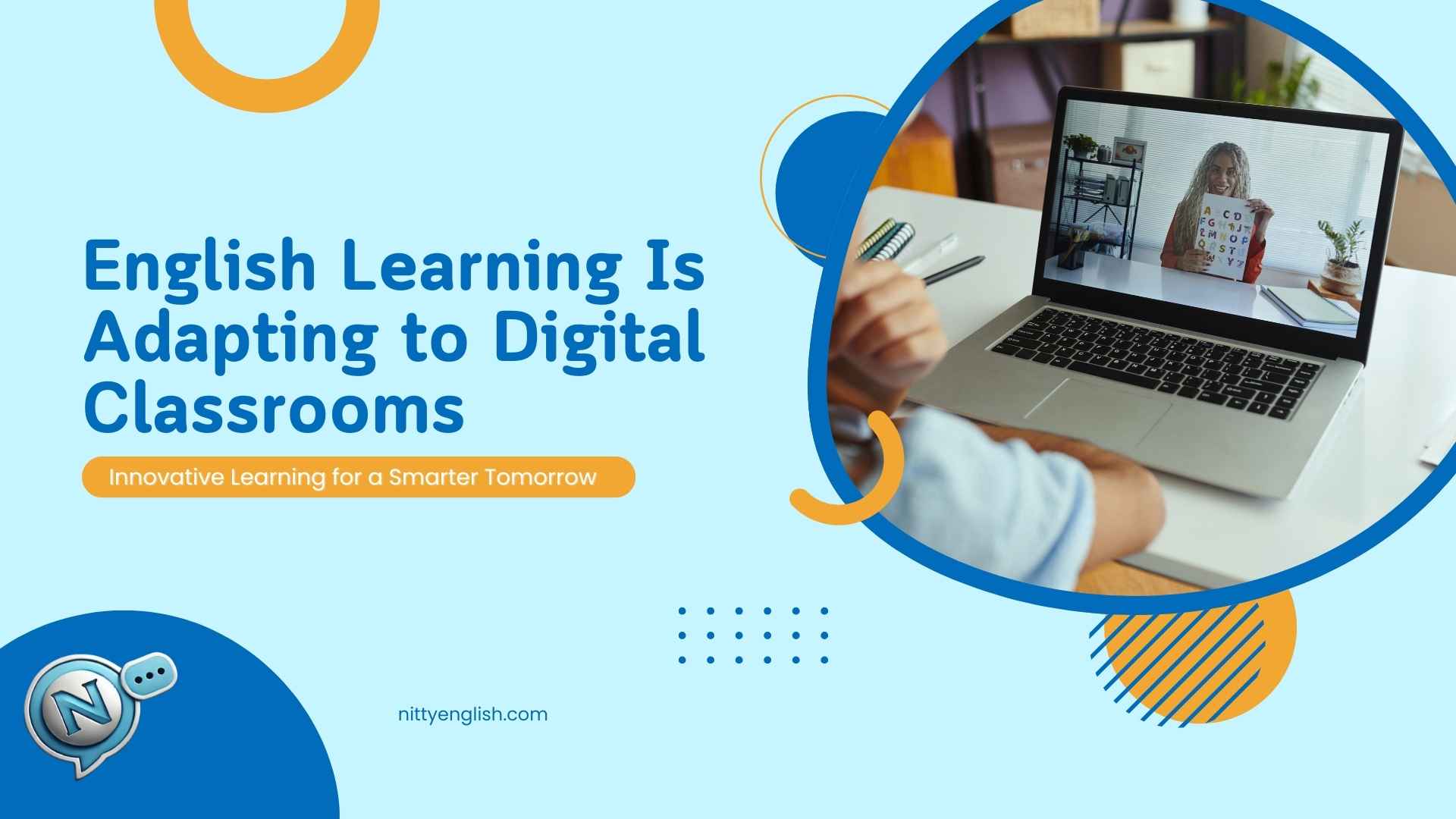
In 2026, English learning in Japan is continuing a steady shift toward digital classrooms. What once felt like a temporary adjustment has become a long-term change in how people study English. Universities, private language schools, and independent learners now rely on digital platforms as a regular part of education.
This change reflects broader shifts in daily life. Remote work has become common and global communication is part of many jobs. For English learners in Japan, digital classrooms are not only convenient but they are increasingly becoming practical and, for many, necessary.
Rather than replacing traditional education, digital classrooms are reshaping it. They combine technology with established teaching methods, creating learning environments that are accessible, adaptable, and easier to sustain over time.
Key takeaway
English learning in Japan is adapting to digital classrooms because they support flexible schedules, practical communication skills, and consistent learning in modern life.
The Gradual Shift Toward Digital English Learning in Japan
Digital English learning in Japan did not happen overnight. For years, online tools were used mainly as supplements. Recorded lectures, digital textbooks, and simple online exercises supported classroom lessons rather than replacing them.
Over time, both teachers and learners became more comfortable with digital formats. Platforms improved, internet access became more reliable, and teaching methods adapted. By the 2020s, with the onset of COVID-19 pandemic, digital classrooms were no longer seen as experimental but they became a standard option. Today, many English programs in Japan are designed with online delivery in mind from the start.
Why Digital Classrooms Fit Modern Japanese Lifestyles
One reason digital classrooms have gained acceptance is their compatibility with everyday life in Japan. Long commutes, full workdays, and personal responsibilities often leave little time for traditional classes.
Digital learning reduces these barriers. For many office workers in Tokyo and other large cities, this means logging into an English lesson after dinner rather than commuting across town. University students often review recorded lessons on weekends or between classes.
These small changes make consistent study more realistic. And studying consistently, as language educators widely agree, matters more than studying occasionally only for long hours.
Digital Classrooms as a Standard Learning Environment
In 2026, digital classrooms are no longer viewed as a backup option. Many institutions now treat them as a primary learning environment.
A typical digital English classroom may include:
Recorded sessions for review
Interactive exercises and quizzes
Structured self-study materials
This setup allows learners to engage with English in different ways. Listening, reading, speaking, and writing can all be practiced within one platform. For many learners, this creates a more balanced learning experience.
Personalized Learning Through Digital Tools
One of the most noticeable changes in digital English education is personalization. Instead of moving at the same pace as everyone else, learners can focus on what they need most.
For Japanese learners, this can be especially helpful. Some struggle with pronunciation. Others find listening comprehension difficult, particularly with natural speech speed. Digital tools can identify these areas and suggest targeted practice.
This approach saves time and reduces frustration. Learners are less likely to feel stuck repeating material they already understand.
The Role of AI in Supporting English Learning
Artificial intelligence is increasingly used in digital classrooms, but mostly behind the scenes. AI tools help track progress, analyze practice results, and provide quick feedback on exercises.
However, teachers still play the central role. They explain concepts, guide discussions, and support learners when challenges arise. AI simply helps extend learning beyond scheduled lessons.
For learners in Japan who do not use English daily, these tools provide helpful reinforcement.
Hybrid Learning Models Are Becoming Common
Many English programs now combine online learning with live interaction. This hybrid approach allows learners to benefit from both structure and flexibility.
Live sessions support speaking practice and real-time feedback. Recorded lessons allow learners to review difficult topics at their own pace. This balance suits learners who want guidance but also value independence.
A Growing Emphasis on Practical English Communication
English education in digital classrooms is becoming more focused on real-world use. Lessons often center on workplace communication, meetings, presentations, travel, and everyday conversation.
This reflects how English is used by many learners in Japan. For professionals, English is often needed for emails, online meetings, or interactions with overseas colleagues. Digital classrooms support this by prioritizing clarity and confidence over memorization.
So what does this shift actually mean for learners? It means English is treated less as an academic subject and more as a practical skill.
Supporting Independent and Lifelong Learning
Digital classrooms encourage learners to take more responsibility for their progress. Learners can set goals, track improvement, and practice regularly outside formal lessons.
In Japan, where steady self-improvement is culturally valued, this approach feels natural. English learning is increasingly viewed as a long-term process rather than something completed after passing an exam.
Even short daily practice sessions can contribute to meaningful progress over time.
Challenges of Digital English Learning
Digital learning is not without challenges. Some learners find it harder to stay motivated online. Others miss the atmosphere of a physical classroom.
Not all digital courses are equally effective. Clear structure, engaging materials, and skilled instructors remain essential. Technology alone does not guarantee success.
That said, many education observers note that digital classrooms continue to improve. Platforms are becoming easier to use, and teaching methods are adapting based on experience.
What Learners in Japan Should Consider
When choosing digital English programs, learners benefit from thinking about a few key points:
Clear learning goals
Opportunities for interaction
Access to feedback
A realistic study schedule
Programs that balance flexibility with structure tend to work best. Additionally, learners who participate actively and practice consistently are more likely to see better results.
Looking Ahead: The Future of Digital English Learning
Looking ahead, digital classrooms are expected to remain a permanent part of English education. Improvements in technology and teaching methods will likely make learning even more accessible.
Rather than replacing traditional classrooms, digital learning complements them. In Japan, this blended approach reflects both modern needs and long-standing educational values.
Conclusion
English learning in Japan is adapting steadily to digital classrooms and this trend is expected to continue in 2026 and coming years. Flexible study options, personalized learning, AI-supported practice, and a focus on practical communication are shaping how learners study and use English.
For students and professionals alike, digital classrooms offer realistic and sustainable ways to develop English skills. As global communication continues to expand, these learning environments provide learners in Japan with practical tools for long-term success.